
Latest News
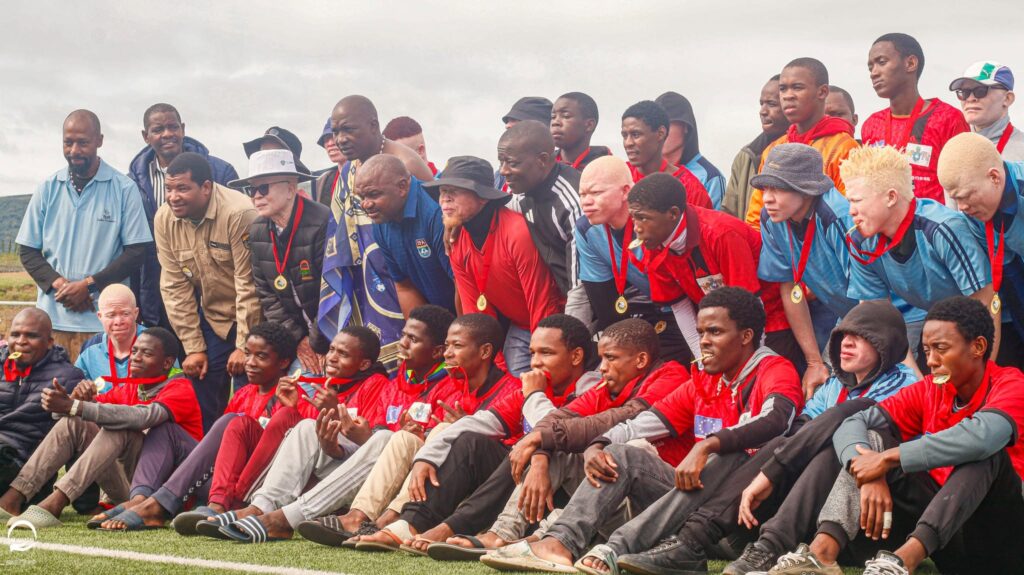
Advocating for Inclusion through sports
he Stukie Motsa Foundation joined the Sicalisa Foundation for a vibrant sports and culture event, bringing together persons with albinism, the deaf community, women, and the general public to showcase their incredible talents at KaLanga Sports Ground.
Hosted by the Sicalisa Foundation, the event was made possible through partnerships with Mulasport, Spar, MTN Eswatini, the Stukie Motsa Foundation, and other valued partners.
The occasion was graced by the Minister of Sports, Culture and Youth Affairs, Hon. Bongani Muzi Nzima, alongside Senators Dr. Stukie Motsa, Sicelo Dlamini and Tonny Sibandze, as well as local constituency and chiefdom leaders.
Thousands gathered from across the Lubombo region and beyond to enjoy exciting matches in soccer, netball, and traditional Lutsango performances!
Educational outreach and partnership
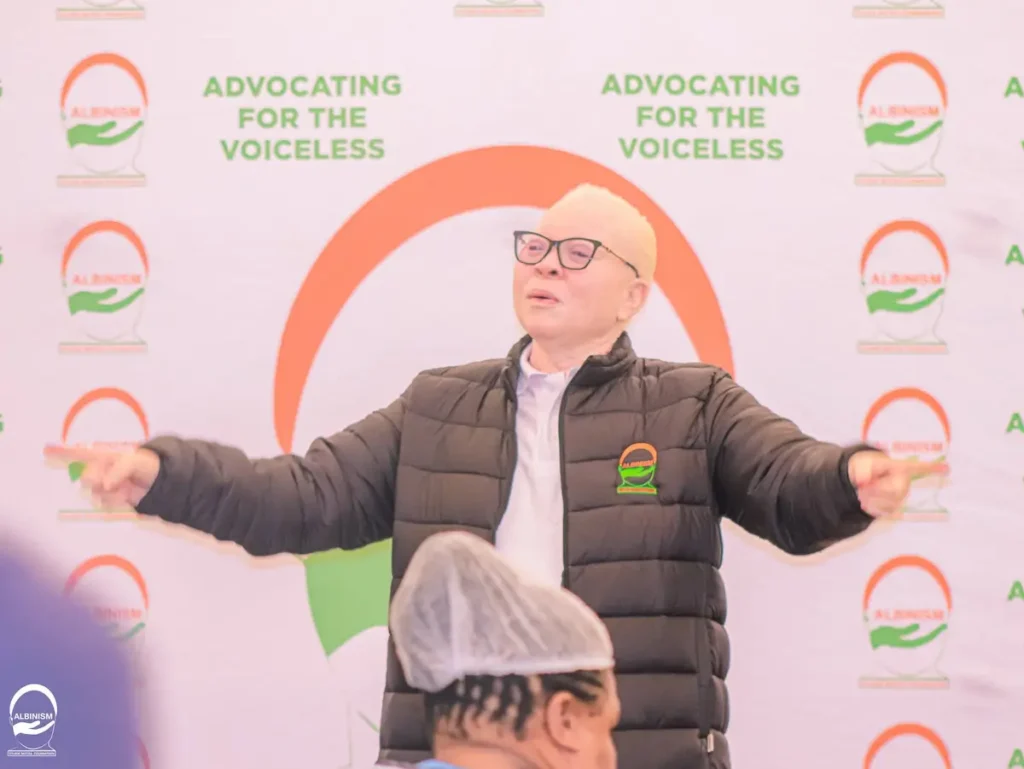
The Stukie Motsa Foundation, in strategic partnership with the Umhluma Women and Youth Foundation, honoured an invitation to address a nationwide Lukhele family gathering in Moneni, Manzini. Recognizing that systemic human rights advocacy and discrimination prevention begin at the domestic level, the joint delegation delivered critical public education on albinism awareness, women’s rights, and family stability to a diverse cross-section of family members from across Eswatini.
Advocacy Highlights
1. Demystifying Albinism at the Family Unit
Speaking directly to the gathering, Executive Director Senator Dr. Stukie Motsa addressed deeply entrenched social stigmas and misconceptions surrounding albinism.
Genetic Literacy: Dr. Motsa clarified that albinism is entirely a genetic condition resulting from specific trait combinations from both parents, firmly dismantling myths regarding family “curses” or spiritual afflictions.
Family Support & Anti-Stigma: The Foundation urged family members to end intra-family verbal abuse, calling on households to embrace and protect children born with albinism.
Health & Protection Protocols: practical health measures were emphasized, detailing the essential need for sunscreen, protective lip balms, wide-brimmed hats, long-sleeved clothing, medically prescribed spectacles, and 100% UV-protection sunglasses.
2. Protecting Women’s Rights & Widows
Umhluma Women and Youth Foundation Director Lungelo Zulu led targeted sessions focusing on gender equity, marital dynamics, and the legal and human rights of widows within extended family structures—areas frequently prone to domestic rights violations.
Call to Action
The family unit serves as the first line of defense in advancing human rights and protecting vulnerable individuals. Before wider community acceptance can occur, domestic spaces must foster understanding, dignity, and care.
The Stukie Motsa Foundation and Umhluma Women and Youth Foundation commend the Lukhele family for taking a proactive stance on community education. Both organizations remain fully committed to honouring invitations from family networks, community groups, and civic organizations seeking consultation and training to build a more inclusive society.
Inclusive Church Environments for Persons with Disabilities
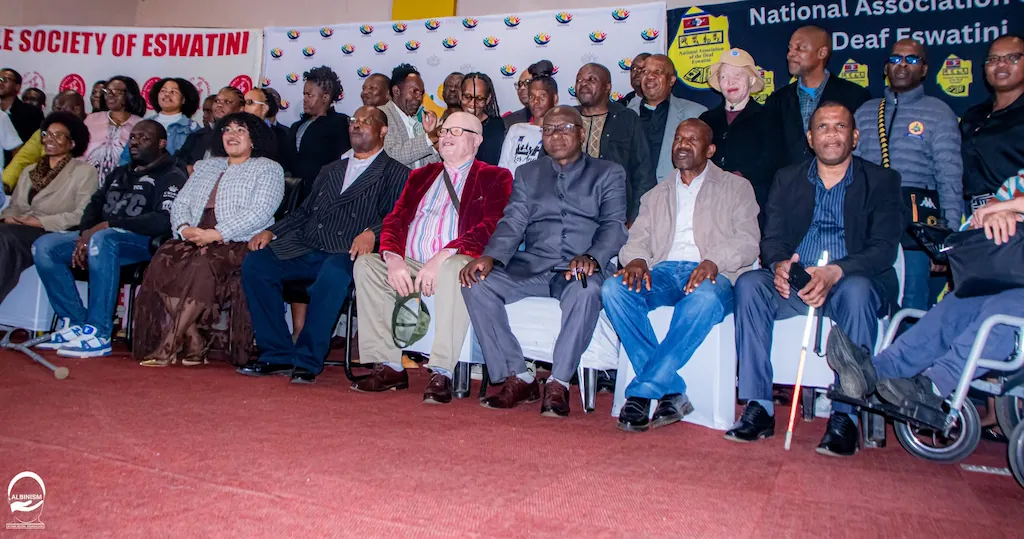
Stukie Motsa Foundation Joins Dialogue on Inclusive Church Environments for Persons with Disabilities
The Stukie Motsa Foundation today joined several disability organisations in a dialogue on Inclusive Church Environments for Persons with Disabilities. The engagement took place at the Bible Society Headquarters in Mahlanya.
The event was hosted by the Federation of Organisations of Disabled Persons in Eswatini (FODSWA), in collaboration with Bible Society Eswatini, The Deputy Prime Minister’s Office Eswatini UNESCO, and other organisations.
Church organisations and pastors were engaged in discussions on the challenges faced by persons with disabilities. The dialogue between pastors and the organisations proved fruitful, with pastors admitting to a lack of knowledge on disability issues.
The aim of the engagement was to raise awareness and foster inclusion within the church. Since the church holds significant influence in our society, the discussion revealed a gap that needs to be closed — many pastors currently lack adequate information on disability. Today’s engagement also created space to share the experiences of persons with disabilities inside the church. Most of these experiences were negative, but solutions were put on the table.
As the Albinism Society, we acknowledged the limited progress that does exist: in some churches, pastors and bishops with albinism are playing a hugely positive role. However, discrimination still exists in other churches when it comes to selecting persons with albinism for leadership roles. We also pointed out that some church members remain unaware of the visual difficulties many people with albinism face, and that church premises and reading materials still present accessibility challenges. Discrimination against couples during marriage counselling was also raised, along with the continued perception of albinism as a curse in some churches.
The dialogue extended to Bible Society Eswatini, which was engaged on the font size and wording used in the Bible itself — some terms still carry discriminatory connotations that have since changed in wider society. Bible Society Eswatini committed to reviewing this, particularly in the Siswati Bible.
Pastors in attendance committed to undergoing training and inviting organisations to sensitise their congregants on disability issues. Zion Bible College and Eswatini Theological College stated that they will incorporate disability training into their pastoral programmes. Zion Bible College added that it is already developing sign language training for pastors, to better accommodate Deaf congregants.